



Mist filters have become one of the most popular tools in photography and video, because they do something no software filter quite reproduces: they diffuse light inside the lens, before the sensor ever sees it. The result is a gentle halation around highlights, softer skin, and a picture that feels less digital. Two versions dominate: white mist and black mist. This article explains what separates them, and which one belongs on your lens.
The short answer
| White mist | Black mist | |
|---|---|---|
| What it does to shadows | Lifts them — the whole image softens and contrast drops | Leaves them largely alone — contrast is preserved |
| The look | Soft, dreamy, romantic | Cinematic: bloom on the highlights, shadows still deep |
| Best for | Portraits, bright sunlight, misty landscapes | Video, night and city light, backlit scenes |
| Where to start | 1/4 | 1/4 |
If you only take one thing away: black mist is not a darker filter. It is the one that keeps your contrast while still blooming the highlights. More on that below.
What is a mist filter?
Before looking at the differences, it is worth defining what a mist filter actually is. It is a piece of optical glass treated so that light scatters slightly as it passes through, creating a diffused, hazy effect. How pronounced that effect is depends on the strength of the filter and on the light you are shooting in.
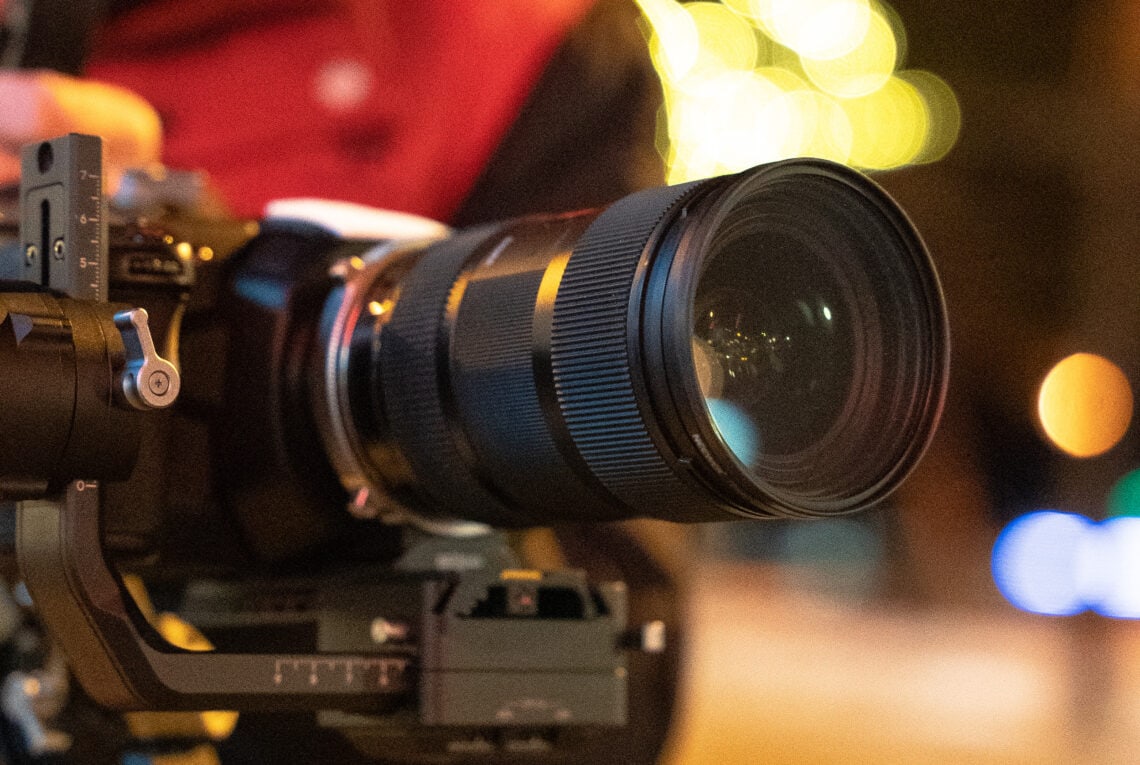
In portraits, a mist filter creates a soft, flattering effect and makes skin appear smoother without the plastic look of retouching. In landscape photography it adds a sense of depth and atmosphere, and it is particularly effective at sunrise or sunset. In video it is often what separates footage that looks digital from footage that looks filmic.
Effect of white mist filters
White mist filters are sometimes known as “diffusion” or “Allure” filters. They scatter light evenly across the frame, which softens everything at once: highlights bloom, but the shadows lift too, and overall contrast comes down. That is what gives the classic soft, dreamy look. They are widely used in portrait photography, where they smooth skin and flatter the subject, and in landscape work in misty or foggy conditions, where they reinforce the atmosphere already in the scene.

One of their strengths is that they work across a wide range of lighting, from bright sunshine to low light. They are especially useful in strong sunlight, where they take the edge off harsh shadows and even out the light across the scene. The NiSi White Mist is available as a circular filter from 49mm to 95mm in 1/4, or in the cinema format 4×5.65″ at 1, 1/2, 1/4 and 1/8.
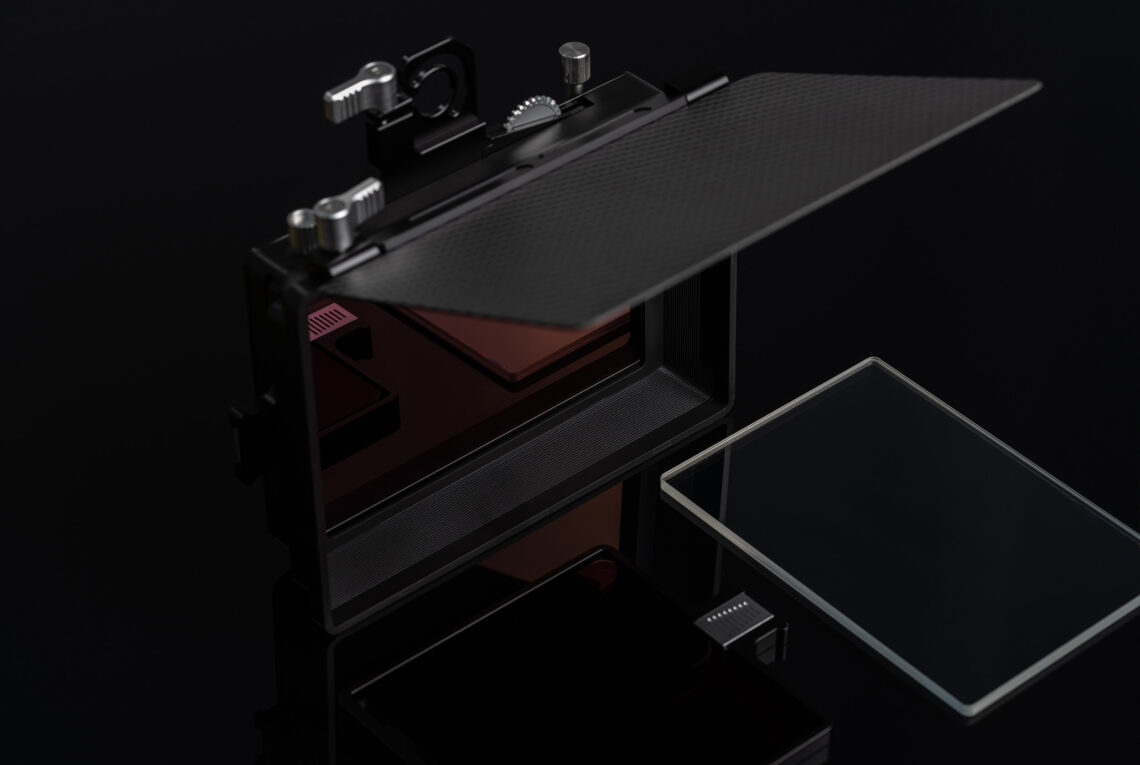
The cinema white mist filters are made to be used with our C5 Matte Box system.
-
Circular filters
 Allure Mist White Diffusion Circular Filter (1/4 Stop)
 -
Cinema 4×5.65
 NiSi Cinema 4×5.65″ Allure Mist White Diffusion Filter (1 Stop)
 -
Cinema 4×5.65
NiSi Cinema 4×5.65″ Allure Mist White Diffusion Filter (1/2 Stop) -
Cinema 4×5.65
NiSi Cinema 4×5.65″ Allure Mist White Diffusion Filter (1/4 Stop) -
Cinema 4×5.65
NiSi Cinema 4×5.65″ Allure Mist White Diffusion Filter (1/8 Stop)
Effect of black mist filters
Black mist filters have become the more common choice of the two, and the reason is worth understanding properly — because it is the point most descriptions get wrong.
A black mist filter is made with the addition of tiny black flecks in the diffusion. It still produces halation around points of light and still softens skin, exactly as a white mist does. What changes is what happens in the dark parts of the frame: those black flecks mean the filter leaves the shadows largely unaffected instead of lifting them.
So a black mist does not make your image darker or gloomier. It gives you the bloom on the highlights while keeping the contrast in the shadows — which is precisely why it has become the filter of choice for video, and for anything shot at night or against the light.

That behaviour makes them particularly effective in low light, where they add depth and atmosphere without washing the frame out. The NiSi Black Mist is available as a circular filter from 49mm to 95mm in 1/2, 1/4 and 1/8, or in the cinema format 4×5.65″ at 1, 1/2, 1/4 and 1/8.
-
Circular filters
 Allure Mist Black Diffusion Circular Filter (1/8 Stop)
 -
Circular filters
 Allure Mist Black Diffusion Circular Filter (1/4 Stop)
 -
Circular filters
 Allure Mist Black Diffusion Circular Filter (1/2 Stop)
 -
Cinema 4×5.65
 NiSi Cinema 4×5.65″ Allure Mist Black Diffusion Filter (1 Stop)
 -
Cinema 4×5.65
NiSi Cinema 4×5.65″ Allure Mist Black Diffusion Filter (1/2 Stop) -
Cinema 4×5.65
NiSi Cinema 4×5.65″ Allure Mist Black Diffusion Filter (1/4 Stop) -
Cinema 4×5.65
NiSi Cinema 4×5.65″ Allure Mist Black Diffusion Filter (1/8 Stop)
Magnetic mist filters, and stacking them with a variable ND
Both mist filters are also made for the JetMag Pro magnetic system, and for video this changes how you work rather than just how you mount.
Ask a filmmaker what lives on the front of their lens and the answer is usually the same pair: a variable ND and a mist filter. The ND holds your shutter speed where you want it; the mist takes the digital edge off the highlights. Together they are most of the look.
With screw-in filters you thread one into the other, which takes time and adds depth in front of the lens — and on a wide angle that extra depth is where vignetting starts. In the magnetic system the JetMag Pro ND-VARIO and the mist snap onto the same adapter ring and come apart in a single movement, with a slim profile that keeps the stack out of your frame.
If you want the pair without assembling it yourself, the Creator Kit holds the 1-5 stop variable ND, a 4-stop fixed ND to extend it, and a 1/8 black mist, with the adapter rings and a pouch.


Main differences between black and white mist filters
Both create a hazy, diffused effect, and both bloom the highlights. The difference is in the flecks: white mist scatters light across the whole frame and lifts the shadows with it, lowering contrast; black mist scatters the highlights but leaves the shadows where they were, keeping contrast intact.
That is why the two end up in different hands. White mist is more common in portrait and landscape photography, where the softer, lower-contrast rendering is the point. Black mist dominates in video, night scenes and backlit situations, where you want the glow around the lights but not a milky picture.
When choosing, think about the scene rather than the filter. Shooting a portrait in bright sunlight and after a soft, dreamy result? White mist. Shooting a moody, atmospheric scene in low light, or filming at night in the city? Black mist.
Recommendations when buying a mist filter
First, decide whether you want a circular filter or a cinema filter in square format. Circular filters are the most common type and screw onto the front of your lens like any other. Cinema filters need a holder, such as our C5 Matte Box, which attaches in front of the lens. Cinema filters are more versatile on set, because you can switch filters and lenses quickly by adapting the matte box with different rings.
Second, decide on the strength. Mist filters run from subtle to pronounced, and a filter that is too strong overwhelms the image quickly — it is easy to add diffusion and impossible to remove it afterwards.
As a starting point we always recommend 1/4, for both the white mist and the black mist.
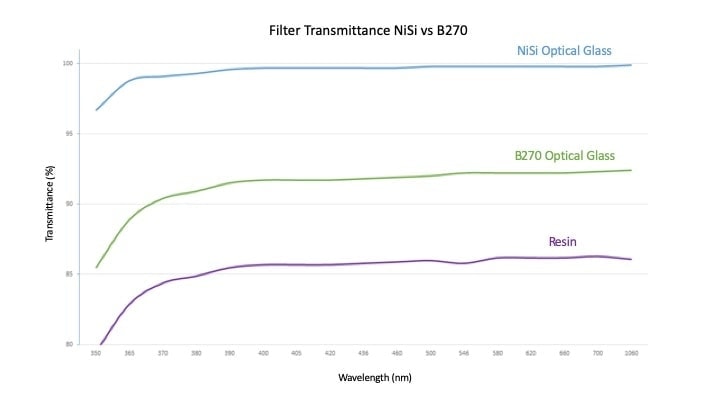
Finally, consider the quality of the glass. Plenty of brands make mist filters and the quality varies a great deal. With diffusion filters it matters more than usual: you are deliberately scattering light, so everything else the glass does — colour neutrality, flare control, sharpness outside the diffusion — has to be beyond reproach, or the effect turns into mush.
The recognised standard in filter glass is Schott B270. It is fine glass, without a doubt. The glass NiSi uses is optically and demonstrably superior to it, as the transmittance chart alongside shows — the same standard you otherwise only find in high-end optical lenses.
Conclusion
Mist filters are one of the few things you can do in front of the lens that post-production genuinely cannot replicate. White mist softens the whole frame and lowers contrast, for a dreamy, romantic rendering. Black mist blooms the highlights while leaving the shadows intact, which is why it has become the standard for cinematic work.
Start at 1/4, shoot with it for a while before deciding you want more, and if you also work with a variable ND, consider the magnetic versions so the two can live on the lens together.
Still not sure which filter fits your kit?
Answer a few questions about your camera, your lenses and the kind of work you do, and our Filter Finder will recommend a system based on your actual setup — with two alternatives, so you can see what you are choosing between.
Or tell us what you shoot and what lenses you use, and we will tell you which mist filter and which strength makes sense. We answer every message ourselves.


